What is Unshaven Hair Transplantation?
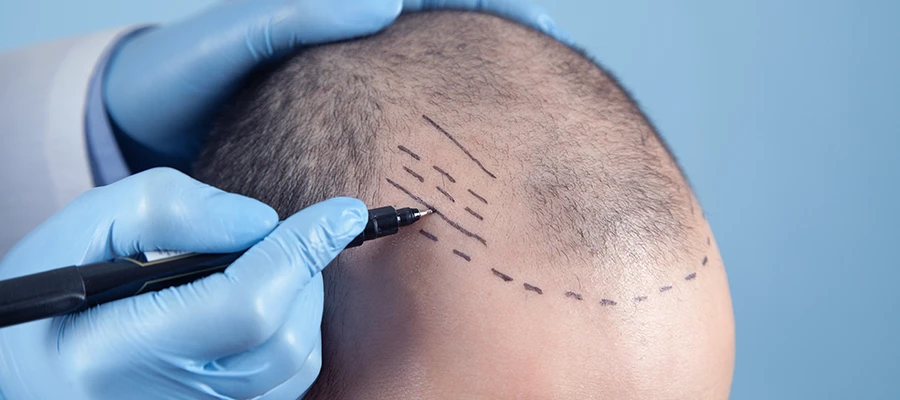
Hair follicles are harvested from the donor area and transplanted to the recipient area using a Unshaven hair transplant method, allowing patients to achieve a natural look even with short hair. This method allows for hair transplantation without shaving all or most of the hair. The follicles are placed in the recipient area at a natural angle using special techniques, and the hairline is aesthetically created. Local anesthesia is applied, and the procedure is completed with minimal trauma. Unshaven hair transplantation is ideal, especially for those who prefer short hair or do not want to shave. The procedure is safe, and the recovery time is short and comfortable.
How is a hair transplant performed without shaving?
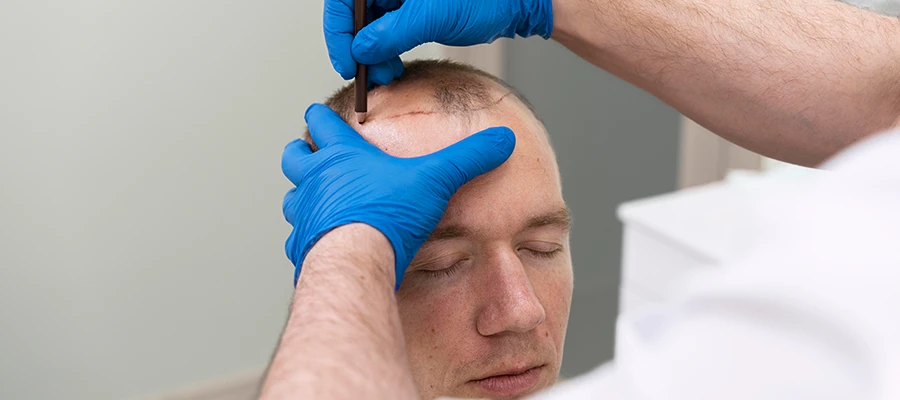
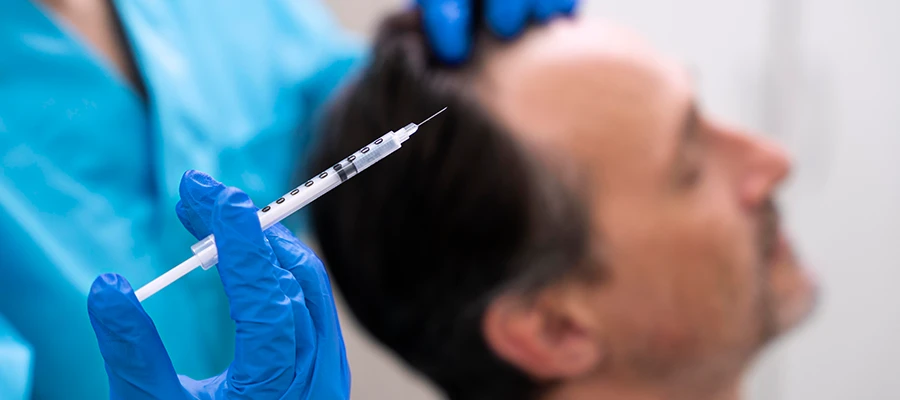
In unshaven hair transplantation, follicles taken from the donor area are placed in the recipient area using special techniques, preserving the natural angle. Thanks to the application of local anesthesia, the patient experiences minimal discomfort. Doctors meticulously plan the density of the follicles and the hairline. Hair follicles are placed in the recipient area without opening channels or with minimal trauma. There is no need to shave the hair during the procedure, and an aesthetic appearance is achieved even for patients with short hair. Unshaven hair transplantation offers a natural and safe process.
Who is suitable for unshaven hair transplantation?
Adults who prefer short hair, individuals with sufficient follicles in the donor area, and patients who desire a natural look are suitable candidates for unshaven hair transplantation. Doctors evaluate the patient’s health status and hair density. This method offers advantages, especially for those who do not want to shave or are sensitive to needles and trauma. Follicles are placed at a natural angle, and the density plan is meticulously implemented. Unshaven hair transplantation offers an ideal solution for patients who want both safe and aesthetically pleasing results.
Why is Unshaven Hair Transplantation preferred?
Patients prefer the unshaven hair transplant method to maintain an aesthetic and natural appearance. The ability to perform the procedure with short hair ensures that daily life is not disrupted. Follicles are placed in the transplant area at a natural angle, and the hairline is aesthetically formed. Thanks to the application of local anesthesia, the patient experiences minimal discomfort during the procedure. Unshaven hair transplantation offers a comfortable and safe experience due to its minimal trauma and rapid recovery time. Therefore, it stands out as an ideal choice for patients with short hair and those with aesthetic concerns.
What are the non-shave hair transplant methods?
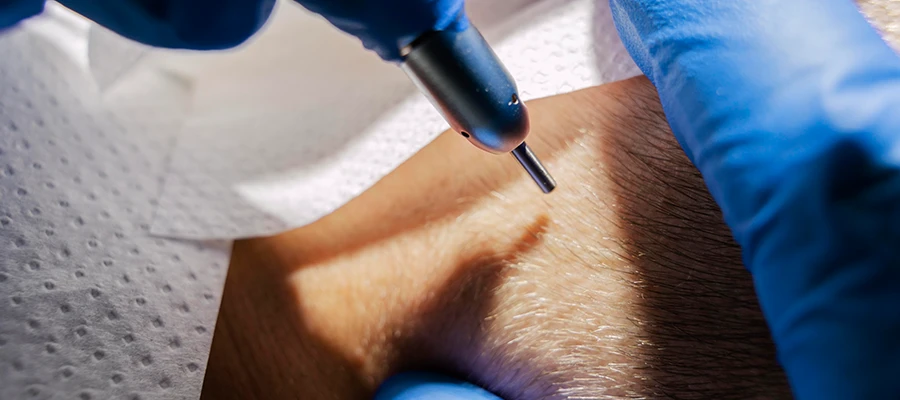
FUE and DHI techniques are the most commonly used methods for unshaven hair transplantation. Follicles are placed in the recipient area at a natural angle using special hand instruments or an implanter pen. During unshaven hair transplantation, the hair in the donor area is preserved, and the procedure is performed with minimal trauma. Local anesthesia is applied, and the patient experiences minimal discomfort. Doctors plan the density and hairline to achieve aesthetic and natural results. These methods offer an ideal option for patients who do not want to shave and shorten the recovery time.
What are the steps in a hair transplant without shaving?
Before the procedure, the hair and donor area are evaluated, followed by the application of local anesthesia. Follicles are extracted from the donor area using special techniques and placed into the recipient area at a natural angle during the unshaven hair transplant procedure. Doctors determine the density and angle plan. The procedure is performed with minimal trauma, and the recovery time is short. The patient is given care instructions, and the follicles are guided to take root. These steps support the achievement of an aesthetic and natural hairline.
How long does a hair transplant without shaving take?
The session duration varies depending on the number of follicles to be transplanted and the planned density, and unshaven hair transplantation is generally completed in 4–8 hours. Follicles taken from the donor area are placed in the recipient area at a natural angle. Since local anesthesia is applied, the patient experiences minimal discomfort. Doctors meticulously plan the density and angles of the roots. The procedure is completed quickly, and the recovery process is rapid. This allows the patient to safely return to their daily routine and achieve a natural hairline.
Is Unshaven Hair Transplantation a Painful Procedure?
Since local anesthesia is applied during the procedure, unshaven hair transplantation is completed with minimal discomfort in most patients. The donor area and the recipient area are treated with a special technique, thus reducing the risk of pain. Because the follicles are implanted at a natural angle, the hairline appears aesthetically pleasing. Doctors meticulously plan the root density and angles. Mild redness or crusting may occur, but it disappears quickly. This method offers a safe and comfortable hair transplantation process by minimizing pain and discomfort.
Is unshaven hair transplantation suitable for everyone?
Unshaven hair transplantation can be performed on adults who have sufficient hair follicles in the donor area and whose hair density and health condition are suitable. During the procedure, follicles are placed in the recipient area at a natural angle, and the hairline is aesthetically created. Since it is performed under local anesthesia, the patient experiences minimal discomfort. Unshaven hair transplantation is ideal for patients who prefer short hair or do not want to shave. Doctors meticulously plan the density and angle, and the procedure is completed with minimal trauma. This method ensures both safe and aesthetically successful results.
What are the advantages and disadvantages of unshaven hair transplantation?
Unshaven hair transplantation offers the advantage of a natural look with short hair and minimal trauma. Follicles are placed in the recipient area without creating channels, and the recovery time is short. The disadvantage is that the procedure time may be slightly longer than classic FUE and it may require a dense donor area. Doctors meticulously determine the root density and angle plan. Local anesthesia is used during the procedure, and the patient experiences minimal discomfort. This method offers both aesthetics and comfort, and the results generally provide a natural appearance.
When will the results of a hair transplant without shaving be visible?
After hair transplantation, fine hairs usually begin to grow back in 3-4 months, and density and a natural hairline become more pronounced between 6-12 months. Because the transplanted follicles are placed at a natural angle with unshaven hair transplantation, they are long-lasting. Doctors monitor development with follow-up checkups and offer recommendations as needed. The first hairs that grow may temporarily fall out, after which permanent hair will grow back. This process requires patience, but it ensures an aesthetically pleasing and natural result.
Risks and Side Effects of Unshaven Hair Transplantation
Although unshaven hair transplantation is a minimally invasive method, some patients may experience mild redness, swelling, or crusting. In rare cases, donor area sensitivity or follicle trauma may occur. Doctors evaluate the patient’s medical history before the procedure and take precautions to minimize risks. Because the follicles are implanted at a natural angle, the success rate is high. Following post-operative care instructions helps reduce side effects and keeps the hair follicles healthy. This method offers both safe and aesthetically pleasing results.
How is a natural-looking, unshaven hair transplant performed?
Using specialized techniques, follicles are placed in the transplantation area at a natural angle, aesthetically shaping the hairline. During unshaven hair transplantation, the hair in the donor area is preserved, and the procedure is performed with minimal trauma. Local anesthesia is applied, and the patient experiences minimal discomfort. Doctors meticulously plan the density and angles of the follicles. This approach preserves the natural direction of hair growth, balances density, and provides an aesthetic result. Following post-operative care instructions helps maintain a natural appearance.
Unshaven Hair Transplant Prices 2026
In 2026, the prices for hair transplantation without shaving typically range from €1,100 to €3,300, depending on the number of grafts to be transplanted, the clinic or hospital conditions, and the duration of the procedure.
Frequently Asked Questions
Does unshaven hair transplantation hurt?
With local anesthesia, patients experience minimal discomfort and generally no pain during unshaven hair transplantation. The follicles taken from the donor area and the recipient area are processed using a special technique, thus reducing the risk of trauma and pain. Doctors meticulously plan the density and angles of the follicles. Mild redness or crusting may occur, but it disappears quickly. Unshaven hair transplantation is an ideal method, especially for patients who prefer to avoid needles or pain during the procedure. Thanks to its minimally invasive nature, the recovery time is short and the procedure is comfortable.
Will there be scarring after a hair transplant without shaving?
Scar formation after unshaven hair transplantation, performed with minimal trauma, is very low. Mild redness or crusting may be observed in the donor and recipient areas, but it disappears within a few days. Since the follicles are implanted at a natural angle, the hairline is aesthetically pleasing. Doctors plan the density and angles of the roots. Because the procedure is minimally invasive, the patient can return to their daily routine in a short time. This method guarantees both the successful implantation of the hair follicles and an aesthetically pleasing result.
How many grafts can be done with a non-shave hair transplant?
The number of grafts to be transplanted during unshaven hair transplantation depends on the area of hair loss in the patient and the follicle density in the donor area. Generally, 2000–3500 grafts can be applied per session, but this number can be increased depending on the needs and donor capacity. Doctors consider hair density and the natural hairline when planning the number of grafts. Because follicles are placed precisely with unshaven hair transplantation, a high retention rate is achieved. This method offers an ideal solution for patients who want to achieve an aesthetic and natural hair appearance.
Is Hair Transplantation Without Shaving Permanent?
Healthy follicles harvested from the donor area are usually permanent after being transplanted using the unshaven hair transplant technique, providing long-lasting hair density. Because the follicles are implanted at a natural angle, the risk of hair loss is minimal. Doctors meticulously place the roots and plan the density. Following post-operative care and instructions supports root survival and a lasting hair appearance. This allows patients to have a long-lasting, aesthetically pleasing, and natural hairline, and the effects of the procedure are permanently maintained.
When will hair grow back after a hair transplant without shaving?
After hair transplantation, fine hairs usually begin to grow within 3-4 months, and density becomes noticeable between 6-12 months. Because the transplanted follicles are placed at a natural angle with unshaven hair transplantation, the hair is long-lasting. The first hairs that grow usually fall out, after which permanent hair grows. Doctors monitor the progress with follow-up checkups and offer advice as needed. This process requires patience, but it ensures an aesthetic and natural result.