What is Manual FUE Hair Transplantation?
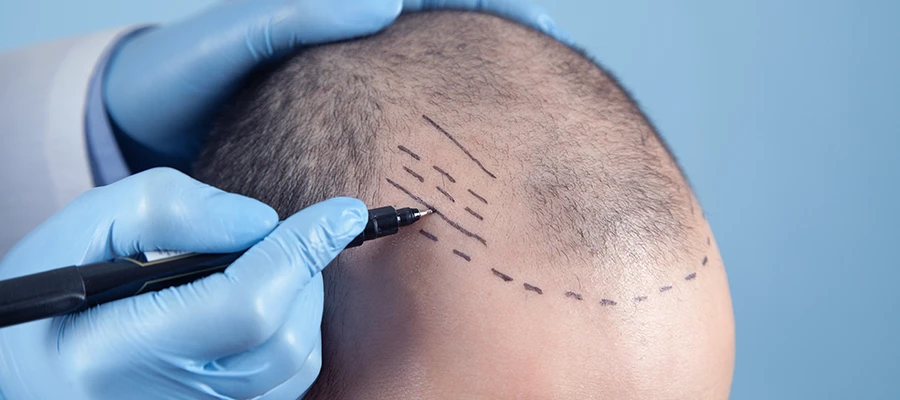
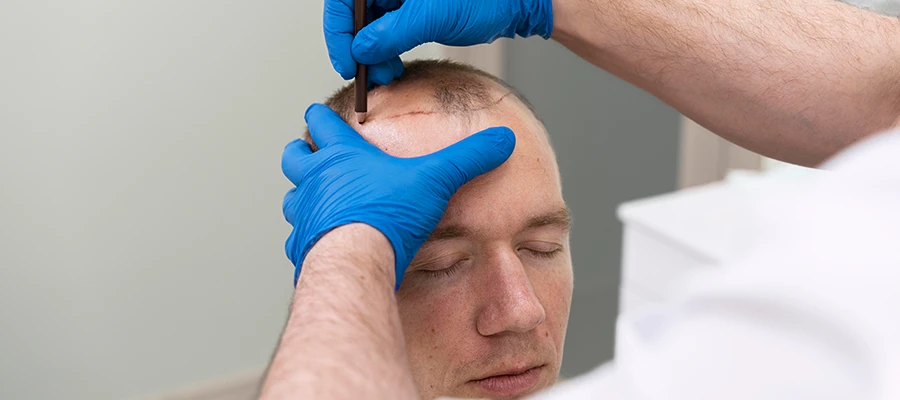
Manual FUE hair transplantation, a method where hair follicles are individually extracted from the donor area and placed in the recipient area, aims to create a natural hairline and increase density. The follicles are placed in the recipient area using special hand instruments without creating channels, and minimal trauma is applied to the roots during the procedure. Doctors meticulously plan the density and angle. Because manual FUE hair transplantation is a minimally invasive method, the recovery time is short, and the patient can quickly return to their daily routine. This technique provides a natural and aesthetic appearance, increases the hair follicle retention rate, and the procedure is completed safely.
How is Manual FUE Hair Transplantation Performed?
In manual FUE hair transplantation, follicles are extracted one by one from the donor area using specialized instruments and placed into the recipient area without creating channels. The follicles are positioned at a natural angle, and the density plan is meticulously determined by the doctor. Local anesthesia is applied, and the patient experiences minimal discomfort. During the procedure, the roots are placed in the recipient area without damage. This technique ensures the formation of a natural hairline and shortens the healing time. Manual FUE hair transplantation supports the achievement of successful results in terms of both aesthetics and function.
Who is suitable for Manual FUE Hair Transplantation?
Adults experiencing hair loss, individuals with sufficient follicles in the donor area, and patients who desire a natural hairline are suitable candidates for manual FUE hair transplantation. Doctors evaluate the patient’s health status and hair density. Its minimally invasive nature and the ability to place follicles at a natural angle provide advantages, especially for patients who are shy or have sensitive skin. The technique can also be applied to individuals with high aesthetic expectations. This ensures both safe and natural results.
What are the benefits of manual FUE hair transplantation?
Manual FUE hair transplantation in areas of hair loss or thinning aims to increase hair density and provide a natural look. Follicles are placed in the transplantation area at a natural angle, and the hairline is aesthetically shaped. The procedure increases the survival rate of roots in the donor area and provides long-lasting results. By planning the density and angles, doctors achieve both aesthetic and functional results. This method reduces the visual problems caused by hair loss and increases self-confidence.
What is the Manual FUE Hair Transplantation Method?
The technique where follicles are extracted one by one and placed in the recipient area using special hand instruments is called manual FUE hair transplantation. Direct implantation without creating channels minimizes trauma to the roots. Doctors meticulously plan the density and angle, shaping the hairline aesthetically. Since it is performed under local anesthesia, the patient experiences minimal discomfort. The procedure is safe, and the recovery time is short. This method provides both aesthetic and natural results and increases the hair follicle retention rate.
What are the stages of a manual FUE hair transplant?
Before the procedure, the hair and donor area are evaluated, followed by the application of local anesthesia. Follicles are extracted from the donor area using special hand instruments and placed into the recipient area at a natural angle during manual FUE hair transplantation. Doctors determine the density and angle plan. After the procedure, the patient is given care instructions. Direct implantation without creating channels causes minimal trauma to the roots and shortens the healing time. These steps ensure a natural hairline and density are achieved.
What should be considered before manual FUE hair transplantation?
Alcohol and smoking should be avoided before the procedure, and blood-thinning medications should be discontinued under the doctor’s supervision. The hair and scalp must be clean. The doctor will evaluate the patient’s medical history and plan for appropriate local anesthesia. Preparation before manual FUE hair transplantation reduces the risk of complications during the procedure and increases the success rate of hair follicle retention. Following the instructions supports both a safe and successful outcome.
How long does a manual FUE hair transplant take?
The session duration varies depending on the number of follicles to be transplanted and the surgical plan, and manual FUE hair transplantation is generally completed in 4–8 hours. Follicles taken from the donor area are placed in the recipient area using a special technique. Since it is performed under local anesthesia, the patient feels minimal discomfort. Doctors create an aesthetically pleasing hairline by planning the density and angles. The procedure is completed quickly, and the recovery process is rapid.
Is Manual FUE Hair Transplantation a Painful Procedure?
Because local anesthesia is applied during the procedure, manual FUE hair transplantation is completed with minimal discomfort in most patients. The follicles taken from the donor area and the recipient area are processed with a special technique, thus reducing the risk of pain. Doctors meticulously plan the angle and density of the follicles. The recovery period is short, and the patient can return to their daily life quickly. This method offers a safe and comfortable hair transplantation process by minimizing pain and trauma.
Important Considerations After Manual FUE Hair Transplantation
After the procedure, gentle care should be taken with the scalp to protect the follicles transplanted with manual FUE hair transplantation, and the risk of friction or impact should be avoided. Crusting or slight redness is normal for the first few days. Following the washing and care instructions given by the doctor reduces the risk of infection and supports the root attachment. Avoiding direct sun exposure and strenuous exercise also accelerates the healing process. These precautions ensure an aesthetically pleasing hairline and increase patient comfort.
Risks and Side Effects of Manual FUE Hair Transplantation
As with any surgical procedure, mild swelling, redness, or crusting may occur during manual FUE hair transplantation. Rarely, donor area tenderness or follicle trauma may occur. Doctors evaluate the patient’s medical history before the procedure and take precautions to minimize risks. Thanks to local anesthesia and minimally invasive techniques, the risk of complications is low. Following post-procedure instructions helps reduce side effects and promotes follicle engraftment. This ensures both an aesthetically pleasing and safe hair transplantation process.
Manual FUE Hair Transplant Prices 2026
As of 2026, the prices for manual FUE hair transplantation generally range from €1,100 to €3,700, depending on the number of grafts to be transplanted, the clinic or hospital conditions, and the duration of the procedure.
Frequently Asked Questions
How long does a manual FUE hair transplant take?
The session duration varies depending on the number of follicles to be transplanted and the planned density, and manual FUE hair transplantation is generally completed in 4–8 hours. Follicles taken from the donor area are placed in the recipient area using special hand instruments. Since it is performed under local anesthesia, the patient feels minimal discomfort. Doctors plan the follicle density and angles. The procedure is completed quickly, and the recovery process is rapid. This allows the patient to safely return to their daily life and achieve a natural hairline.
Does Manual FUE Hair Transplantation Hurt?
Because local anesthesia is applied during the procedure, patients experience minimal pain during manual FUE hair transplantation. The follicles taken from the donor area and the recipient area are processed using a special technique, thus reducing the risk of trauma. Doctors meticulously plan the angle and density of the roots. The recovery period is short, and mild redness or crusting may occur. This method offers a safe and comfortable hair transplantation process by minimizing pain and discomfort.
When does hair grow back after a manual FUE hair transplant?
After hair transplantation, new hair usually begins to grow as fine strands within 3-4 months, and density becomes noticeable between 6-12 months. Because follicles are placed at a natural angle during manual FUE hair transplantation, the new hair is long-lasting. Doctors monitor development with follow-up checkups and offer additional recommendations if necessary. The first hairs that grow usually fall out, after which permanent hair grows. This process requires patience, but the result provides an aesthetic and natural look.
Will there be scarring after manual FUE hair transplantation?
Manual FUE hair transplantation is a minimally invasive method, resulting in very little scarring after the procedure. Mild redness or crusting may occur in the donor and recipient areas, but this disappears within a few days. Because the follicles are implanted at a natural angle, the hairline achieves an aesthetically pleasing appearance. Doctors plan the density and angles of the grafts. Since the procedure is safe and minimally traumatic, the patient can quickly return to their daily routine. This method both supports the successful implantation of hair follicles and guarantees an aesthetically pleasing result.
Can Manual FUE Hair Transplantation be Performed Without Shaving?
In some patients, manual FUE hair transplantation can be performed without shaving, making it an ideal method for those who desire short hair. Hair in the donor area is preserved, and follicles are placed in the recipient area at a natural angle. This method ensures an aesthetically pleasing and natural-looking hairline. Doctors meticulously plan the density and angles of the follicles. Because it is performed under local anesthesia, the patient experiences minimal discomfort during the procedure, and the recovery process is rapid. The shave-free procedure offers both comfort and aesthetic results.
Is Manual FUE Hair Transplantation Permanent?
Manual FUE hair transplantation offers a long-lasting and permanent solution when hair follicles are extracted from the donor area and placed in the recipient area at a natural angle. If the follicles are healthy and intact, the risk of hair loss is minimal. Doctors meticulously plan the density and angle, thus shaping the hairline aesthetically. Because the procedure is performed with minimal trauma, the follicles have a high retention rate. The recovery time is short, and patients can quickly return to their daily lives. Manual FUE hair transplantation is a safe and effective method for patients who want to achieve natural and permanent results.
Is shock hair loss possible after manual FUE hair transplantation?
Some patients may experience shock shedding after manual FUE hair transplantation, and this is usually temporary and occurs within the first few weeks after the procedure. Hair strands may fall out when the follicles are under short-term stress, but as long as the roots remain intact, permanent hair will continue to grow. Doctors will inform the patient about this process and provide care instructions. Shock shedding does not affect the success of the procedure, and the natural hairline will regenerate over time. This process is part of the normal healing and hair growth process.
Which is better: Manual FUE or DHI Hair Transplantation?
The choice of method may vary depending on the patient’s needs and the area of hair loss; there are differences between manual FUE hair transplantation and DHI hair transplantation. Manual FUE hair transplantation provides minimal trauma and a natural angle thanks to the individual implantation of follicles with hand instruments. DHI hair transplantation, on the other hand, offers follicle implantation without creating channels, using a special implanter pen. Both methods create an aesthetic and natural hairline, but patient comfort, procedure time, and doctor experience influence the choice. Doctors evaluate the patient and determine the most suitable method, increasing the success rate.