What is Afro Hair Transplantation?
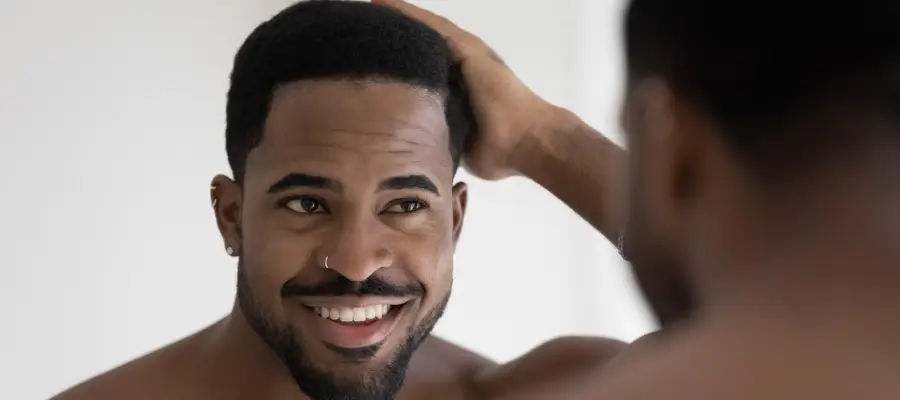
Developed for individuals with curly and Afro hair types, Afro hair transplantation involves placing follicles at a natural angle in the recipient area to increase hair density. Special techniques are used during the procedure, and minimal trauma is applied to the roots. Thanks to local anesthesia, the patient experiences minimal discomfort. Afro hair transplantation creates a natural and aesthetically pleasing hairline by ensuring the correct placement of curly hair follicles. The procedure is minimally invasive, and the recovery time is short. This method preserves curly hair follicles, ensuring a long-lasting and natural result.
Who is a suitable candidate for Afro Hair Transplantation?
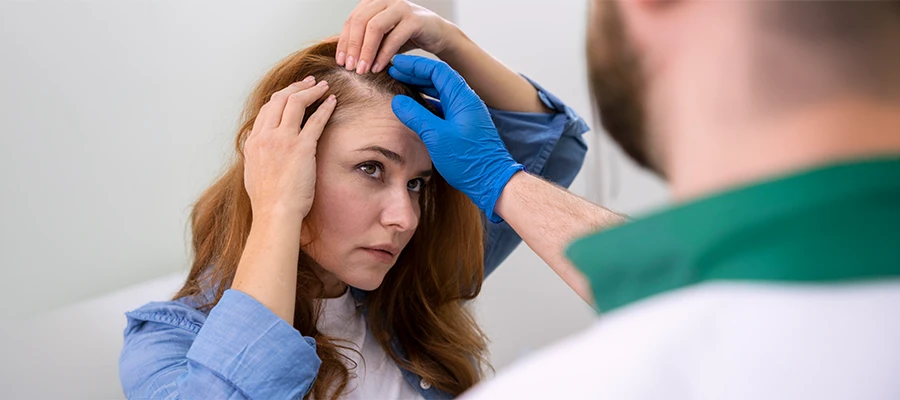
Adults with curly hair who are experiencing hair loss or thinning are suitable candidates for Afro hair transplantation. If there are sufficient donor hair follicles, the procedure can be performed safely. Doctors meticulously plan the density of the follicles and the angles of implantation. Afro hair transplantation provides an aesthetic and natural hairline by preserving the natural direction of curly hair follicles. The procedure is performed under local anesthesia and completed with minimal trauma. Thanks to the precise placement of curly hair follicles, both safe and successful results are achieved.
How is Afro Hair Transplantation Performed?
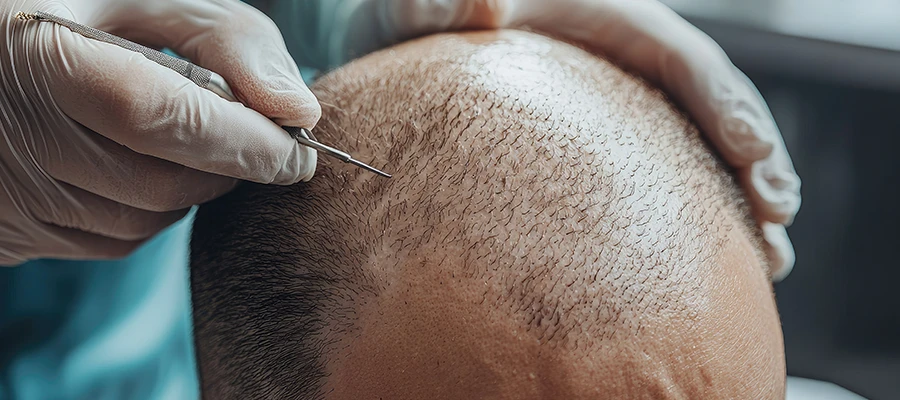
During Afro hair transplantation, curly follicles taken from the donor area are placed in the recipient area using special techniques. The follicles are positioned at a natural angle, and the density plan is determined by the doctor. Channel opening is done with minimal trauma, and local anesthesia is applied. The patient experiences minimal discomfort during the procedure, and the roots are placed in the recipient area without damage. Afro hair transplantation ensures an aesthetic and natural hairline thanks to the correct placement of curly hair follicles.
What are the methods for Afro hair transplantation?
The most commonly used methods are FUE and DHI techniques. During Afro hair transplantation, curly follicles are placed in the recipient area using special hand instruments or an implanter pen. Channel opening is performed with minimal trauma. Doctors plan the density and angles of the follicles to ensure aesthetic and natural results. These methods offer a successful and safe hair transplantation process while preserving curly hair follicles.
FUE Afro Hair Transplant
In the FUE technique, curly follicles are individually extracted from the donor area and placed at a natural angle in the recipient area during Afro hair transplantation. The procedure, performed with minimal trauma, increases the hair follicle retention rate. Local anesthesia is applied, and the patient experiences minimal discomfort. Doctors achieve a natural look by planning the density and hairline. This method uses techniques suitable for curly hair follicles and provides aesthetic results.
DHI Afro Hair Transplantation
In the DHI technique, follicles are placed in the recipient area without creating channels using a special implanter pen, and the roots are implanted with minimal trauma during Afro hair transplantation. Thanks to the application of local anesthesia, the patient is comfortable. Doctors plan the angle and density of the follicles. This method preserves the natural direction of curly hair follicles and ensures an aesthetically pleasing hairline. DHI Afro hair transplantation supports both safe and natural results.
How to Harvest Curly Hair Roots?
Curly hair follicles are carefully extracted from the donor area using specialized hand tools or a micro-punch. During Afro hair transplantation, the follicles are placed in the recipient area at a natural angle. Local anesthesia is applied, and the patient experiences minimal discomfort during the procedure. Doctors plan the angle and density of the follicles to ensure an aesthetically pleasing hairline. This method allows for the transplantation of curly hair follicles without damage and promotes a natural appearance.
How to Plan a Natural Hairline in Afro Hairstyles?
The hairline in Afro hair transplantation is meticulously created by carefully planning the angle and density of the follicles. Curly follicles are placed in a way that preserves their natural direction. Doctors evaluate the donor and recipient areas and determine an aesthetically pleasing density. The procedure is performed under local anesthesia with minimal trauma. This approach preserves the natural direction of hair growth and enhances the aesthetic result. Afro hair transplantation achieves a natural and symmetrical hairline.
How many grafts are needed for an Afro hair transplant?
The number of grafts required depends on the size of the hair loss area and the density goals. During an Afro hair transplant, typically 2000–4000 follicles are implanted, but this number can be increased depending on donor capacity and need. Doctors consider hair density and the natural hairline when planning the number of grafts. Because follicles are implanted precisely with Afro hair transplantation, a high retention rate is achieved, resulting in an aesthetically pleasing, natural hair appearance.
Risks and Side Effects of Afro Hair Transplantation
Although minimally invasive, Afro hair transplantation may cause mild swelling, redness, or crusting in some patients. In rare cases, donor area sensitivity or follicle trauma may occur. Doctors evaluate the patient’s medical history before the procedure and take precautions to reduce risks. Because the follicles are placed at a natural angle, the success rate is high. Following post-procedure instructions ensures minimal side effects and the preservation of aesthetic results. This method offers both a safe and successful hair transplantation process.
Afro Hair Transplant Prices 2026
In 2026, Afro hair transplant prices generally range from €1,500 to €4,100, depending on the number of grafts to be transplanted, clinic conditions, and procedure duration.
Frequently Asked Questions
Is Afro Hair Transplantation Different from Regular Hair Transplantation?
Afro hair transplantation differs from conventional hair transplantation because it requires the placement of curly follicles at a natural angle and the application of special channel opening techniques. The follicles are extracted in a way that is compatible with the curly structure and placed in the recipient area with minimal trauma. Doctors meticulously plan the density and angle. This difference ensures a natural hairline and a high retention rate in Afro hair transplantation. The procedure is performed under local anesthesia, and the patient experiences minimal discomfort.
Does Afro Hair Transplantation Look Natural?
When performed with the correct angle and density planning, Afro hair transplantation provides a natural look, and curly hair follicles are implanted in the correct direction. Follicles are placed with minimal trauma during channel creation, and the hairline is aesthetically shaped. Doctors meticulously plan the density and angle. The procedure is performed under local anesthesia, and the recovery time is short. Afro hair transplantation is a safe and effective method for patients who want to achieve a natural and aesthetic hair look.
Will there be scarring after an Afro hair transplant?
Thanks to the minimally invasive procedure, scarring after Afro hair transplantation is very low. Mild redness or crusting may be observed in the donor and recipient areas, but it will disappear within a few days. Since the follicles are implanted at a natural angle, the hairline is aesthetically pleasing. Doctors plan the density and angles of the roots. The procedure is completed under local anesthesia, and the patient can return to their daily routine quickly. This method guarantees both follicle retention and an aesthetically pleasing result.
Can curly hair follicles be damaged during hair transplantation?
During Afro hair transplantation, curly hair follicles are carefully extracted using special techniques and placed in the recipient area. The follicles are positioned at a natural angle, channel opening is done with minimal trauma, and the risk of damage to the roots is low. Local anesthesia is applied, and the patient experiences minimal discomfort during the procedure. Doctors meticulously plan the density and angles. This method ensures that the curly hair follicles remain healthy and creates an aesthetically pleasing, natural hairline.