What is Needleless Anesthesia?
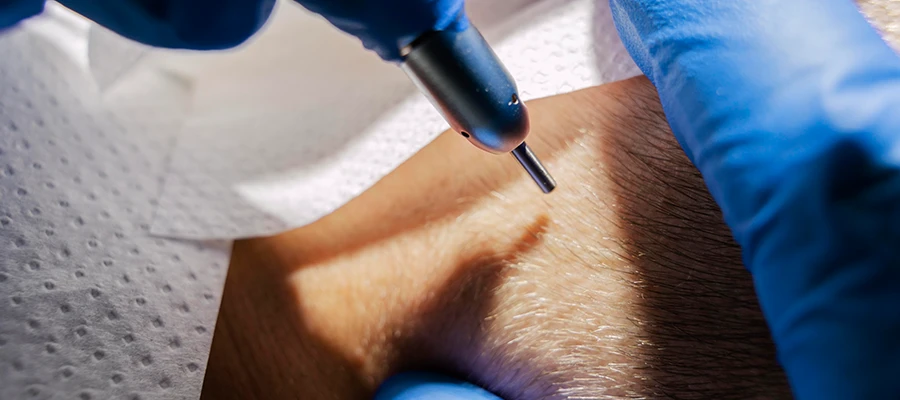
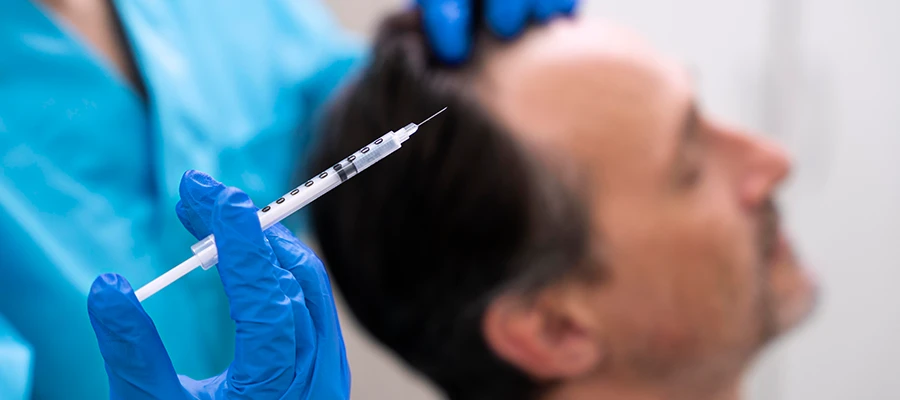
Needleless anesthesia, used to reduce pain and ensure a comfortable procedure, provides local anesthesia without the need for needles. This technique is preferred in hair transplantation and minor surgical procedures. The special method applied to the skin surface causes minimal discomfort for the patient and increases comfort during the procedure. Doctors carefully determine the dose and application area. Needle-free anesthesia is especially suitable for people with needle phobia, reducing stress and anxiety. The procedure is safe and the recovery time is short. This ensures patient comfort and a natural result during hair transplantation.
How is needle-free anesthesia applied in hair transplantation?
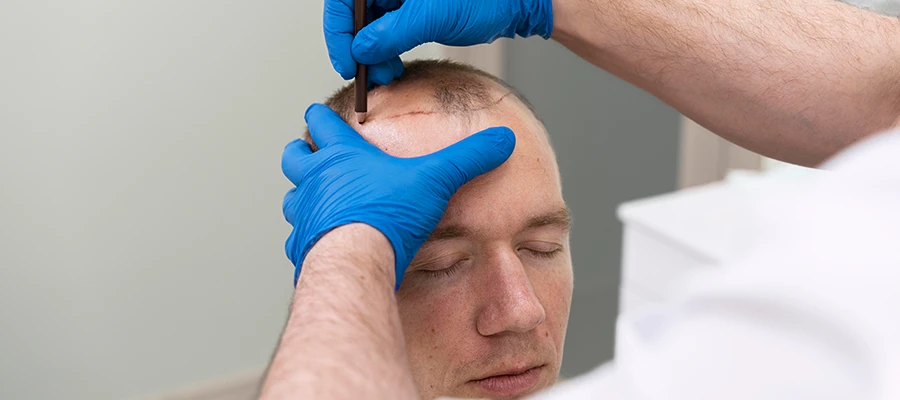
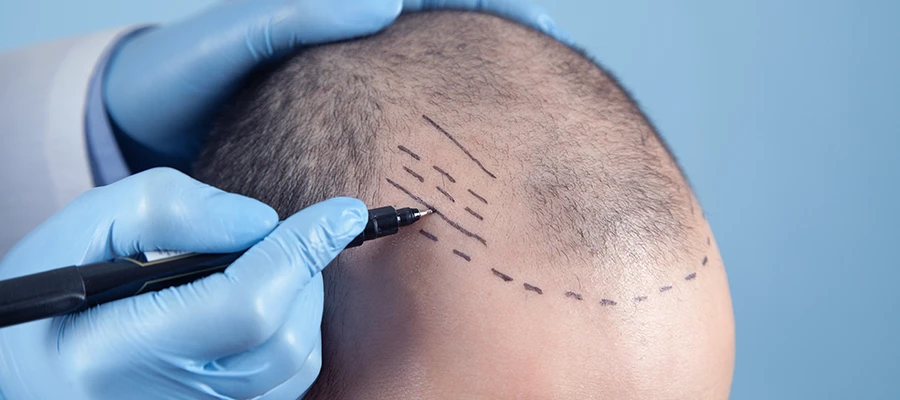
Before the procedure, the skin is cleansed and local anesthesia is applied using a special method, thus increasing patient comfort with needle-free anesthesia. During hair transplantation, follicles are carefully placed. Doctors control the dose and duration during the procedure to ensure effective anesthesia. This method offers an ideal solution for patients with needle phobia and allows the procedure to be completed painlessly. Thanks to needle-free anesthesia, the patient is comfortable and stress is minimized during hair transplantation. In addition, the recovery process is short and comfortable.
Is Painless Hair Transplantation Possible with Needle-Free Anesthesia?
With needle-free anesthesia, patients experience minimal pain during hair transplantation, and the procedure is completed comfortably. Follicles taken from the donor area are placed in the recipient area using special techniques. Since local anesthesia is provided, no needles are used, and discomfort is reduced. Doctors plan the density and angles of the roots during the procedure. This method both increases patient comfort and ensures an aesthetically pleasing hairline. The procedure is safe, the recovery period is short, and daily routines are quickly resumed.
Advantages of Needleless Anesthesia Compared to Classical Anesthesia
Needle-free anesthesia offers a minimally invasive and painless method compared to classic anesthesia, thus increasing comfort during hair transplantation. Because no needles are used, the risk of bruising or sensitivity to the skin is reduced. Since local numbness is provided, the patient feels comfortable during the procedure. Doctors monitor the numbness and ensure the grafts are placed at the natural angle. The recovery time is short, and the procedure is completed safely. Thanks to these advantages, the hair transplantation process is more efficient for both the patient and the doctor.
Who is needleless anesthesia suitable for?
Adults who are afraid of needles, desire a minimally invasive method, and whose health condition is suitable for hair transplantation are ideal candidates for needle-free anesthesia. Doctors evaluate the patient’s medical history and determine whether the procedure is safe. This method is particularly preferred in patients with sensitive skin or high anxiety levels. During hair transplantation, follicles are carefully placed and local anesthesia is administered. Needle-free anesthesia increases patient comfort during the procedure and supports the aesthetic creation of a natural hairline.
Is Needleless Anesthesia Safe?
Thanks to the technique and local anesthesia applied during the procedure, needle-free anesthesia is a safe method with a minimal risk of complications. Doctors meticulously control the dosage and application time. During hair transplantation, follicles are placed at a natural angle, and the patient experiences minimal discomfort. The recovery process is short, and following post-operative care instructions increases the success rate of root implantation. This method ensures both an aesthetically pleasing and safe hair transplantation process.
How long does hair transplantation take with needleless anesthesia?
Hair transplant duration depends on the number of follicles to be transplanted and the surgical plan, and thanks to needle-free anesthesia, the procedure is usually completed in 4-8 hours. Follicles taken from the donor area are placed in the recipient area using special techniques. Thanks to local anesthesia, the patient experiences minimal discomfort. Doctors create a natural hairline by planning the density and angles. The procedure is completed quickly, and the recovery process is rapid. This allows patients to safely return to their daily routines.
Does needle-free anesthesia affect hair transplant success?
When applied correctly, needle-free anesthesia enhances patient comfort during hair transplantation and allows follicles to be placed at a natural angle. A comfortable procedure increases the retention rate of the roots and ensures an aesthetically pleasing hairline. Doctors carefully plan the density and angles during the procedure. With needle-free anesthesia, pain and stress are reduced, which positively affects the success of the operation. Since the procedure is minimally invasive, recovery is rapid and a natural result is achieved.
FUE Hair Transplantation with Needleless Anesthesia
In the FUE method, where hair follicles are taken from the donor area and placed in the recipient area, patients do not feel pain during the procedure thanks to needle-free anesthesia and experience a comfortable experience. Local numbness is achieved with a special technique, and since no needles are used, the risk of bruising or sensitivity in the skin is reduced. Doctors create a natural hairline by planning the angle and density of the follicles. Since the procedure is minimally invasive, the recovery process is short, and the patient can return to their daily routine in a short time. This method both increases the follicle retention rate and ensures an aesthetic and natural hair appearance.
Is needle-free anesthesia used in DHI hair transplantation?
In some DHI hair transplant procedures, local anesthesia can be achieved with needle-free anesthesia, minimizing patient discomfort. Follicles taken from the donor area are placed into the recipient area using a special implanter pen. Local anesthesia increases comfort and reduces stress levels during the procedure. Doctors plan the density and angles of the grafts. DHI hair transplantation performed with needle-free anesthesia shortens the recovery time and promotes an aesthetically pleasing hairline. This allows patients to complete the procedure safely and achieve natural results.
Needle-Free Anesthesia Application for Sensitive Skin
For sensitive skin, needle-free anesthesia allows for a painless and minimally traumatic procedure. This method eliminates the need for needles during hair transplantation, reducing the risk of bruising or irritation. Doctors meticulously plan the numbness area and dosage. Follicles are placed at a natural angle, shaping the hairline aesthetically. The procedure is safe, and the patient experiences minimal discomfort. Needle-free anesthesia offers an ideal solution for individuals with sensitive skin, ensuring a comfortable experience during hair transplantation.
Are there any side effects of needleless anesthesia?
Due to the technique and local anesthesia used during the procedure, needle-free anesthesia is generally safe and has minimal side effects. Some patients may experience mild redness or short-term swelling. Doctors control the dosage during the procedure and minimize the risk of complications. Since the follicles are implanted at a natural angle, the hairline looks aesthetically pleasing and the retention rate is high. Following post-procedure care instructions helps reduce side effects. Needle-free anesthesia is considered a safe and comfortable method for most patients.
In which areas is needleless anesthesia used?
During hair transplantation, local numbness can be achieved in both the donor and recipient areas with needle-free anesthesia, making the procedure more comfortable. It is especially preferred in sensitive areas of the scalp. Doctors determine the application area and meticulously control the dosage. Follicles are placed at a natural angle, a density plan is applied, and an aesthetic hairline is created. Since the procedure is minimally invasive, the recovery time is short, and the patient can return to their routine life quickly. This method offers a successful hair transplantation process by reducing pain and stress.
Needleless Anesthesia Prices 2026
In 2026, the prices for needle-free anesthesia treatments generally ranged from €920 to €2,800, depending on the type of procedure, the number of grafts used in hair transplantation, and the quality of clinical service.
Frequently Asked Questions
Can redness occur after needleless anesthesia?
Some patients may experience mild redness or temporary swelling after the procedure, which is due to the local technique used during needle-free anesthesia. The redness usually subsides quickly and does not pose a serious health problem. Doctors provide patients with post-operative care instructions and monitor for any possible reactions. Because the follicles are implanted at a natural angle, the hairline is aesthetically shaped, and the healing process is rapid. Needle-free anesthesia, with its minimally invasive nature, increases patient comfort and reduces post-operative discomfort. This allows patients to return to their daily routines safely and quickly.
How Comfortable is Needleless Anesthesia?
During hair transplantation, thanks to local anesthesia applied with needle-free anesthesia, the patient experiences minimal discomfort and comfort during the procedure. Follicles taken from the donor area are placed in the recipient area using a special technique. Local anesthesia reduces pain and stress. Doctors meticulously plan the density and angles of the follicles. This method offers an ideal solution, especially for patients with needle phobia, and provides a comfortable experience during the procedure. The recovery period is short, and the patient can be safely monitored during hair transplantation.
What is the return-to-work time after needle-free anesthesia?
Thanks to the minimally invasive nature of the procedure, patients undergoing needle-free hair transplantation under anesthesia can usually return to their daily routines shortly afterward. Mild redness or crusting may occur, but it disappears within a few days. Doctors provide the patient with care instructions and indicate a safe timeframe for returning to work without limiting activities. With local anesthesia, the procedure is completed painlessly, follicles are placed at a natural angle, and the hairline is aesthetically shaped. This ensures both patient comfort and a faster recovery process.